🏀 Elite Assistance
|
Exploring basketball's best ideas, strategies, and coaches around the world Happy Sunday! Welcome to all the newest members from around the world! ICYMI: Last week, we recapped our most viewed breakdowns and clinics of the past three months. Get caught up on all you may have missed HERE. This Week at a Glance:🔒 SG Plus Content: Eric Glass - Excelling as an Assistant & Leveling Players Up {Miami Heat} 🎧 Slappin' Glass Podcast: Ken Pomeroy & Jordan Sperber! 📣 Hudl Instat & Dr. Dish 🥇 Best of the Week: Horns & Iverson Veer Screens 📚 Interesting Reads: The Virtue of Negative Results Let's dive in... Preparing Assistants & PlayersOver the past several weeks, we’ve been rolling out clinic replays from our 2025 SoCal Coaches Summit. Today, we approach the home stretch with Miami Heat assistant coach Eric Glass, who delivered a fascinating presentation on “Preparing for the Next Step.” Coach Glass shares powerful insights from two unique perspectives, assistant coaches looking to climb the ladder and players striving to elevate their careers. Given the sustained success of the Miami Heat and the distinct “Heat Culture” that’s respected across the basketball world, Coach Glass’ presentation had coaches in attendance fully locked in, and we’re confident you’ll find yourself just as engaged. He begins by sharing valuable insights on developing your own coaching philosophy and on what it means to be a great assistant, highlighting the qualities that add real value to your head coach and program. Defining Who You AreBefore chasing a head coaching role or that next assistant position, Coach Glass emphasizes the importance of first defining who you are as a coach. Developing a clear coaching philosophy does more than guide your decision-making, it helps narrow your focus on what truly makes your team better and creates a distinct, marketable identity when opportunities arise. To start building that foundation, Coach Glass challenges coaches to ask themselves:
He reminds coaches that a philosophy should go far beyond X’s and O’s, it’s also about how you connect with people. Through conversation, curiosity, and genuine care, relationships become the foundation of great coaching. As Glass put it, “In a profession built on relationships, how you build them is your greatest asset.” For those aspiring to move from assistant to head coach, he added two key questions:
The latter, he noted, is one many assistants overlook, yet it’s crucial for those who will eventually lead their own programs. Finally, Glass stressed that a coaching philosophy should be alive and evolving, revised yearly, shaped by new experiences, and refined through lessons from other coaches, games, and players. Adaptability, he said, is a marker of maturity: what works for one team or season may not fit the next. The Assistant Coach's MindsetBefore you can lead a program, you have to excel in the role you’re in. Coach Glass spoke passionately about what it truly means to be an elite assistant, and it wasn’t about chasing credit or titles, it was about mindset. Great assistants make themselves invaluable by being present, dependable, and low-maintenance. Head coaches already spend their days putting out fires; the best assistants help prevent them. They communicate clearly, anticipate needs, and execute the vision of the head coach at a high level. Coach Glass also emphasizes emotional intelligence and self-awareness, knowing when to speak up, when to step back, and how to contribute without seeking validation. The goal isn’t recognition, it’s impact. And through it all, loyalty and character remain the foundation. In a profession built on trust, being a good person still matters most. Preparing Players for the Next LevelAfter spending time discussing how coaches can position themselves for growth, Coach Glass shifts his focus to players. With the Miami Heat’s proven success in identifying and developing young talent, Glass offers a behind-the-scenes look at what truly separates players who make the leap from those who plateau. While his lens was the college-to-NBA transition, his lessons resonate at every level, from high school to college, or college to overseas. Conditioning: The Non-NegotiableWhen asked about the single biggest separator he sees in players entering the Miami Heat gym, Coach Glass doesn't hesitate: "Great Conditioning. Bingo." Even highly skilled players often show up not in professional shape. At the next level, conditioning means sustaining multiple efforts, maintaining form, and executing skill deep into fatigue. Coach Glass challenges coaches directly: if your players aren’t elite shooters or defenders, make conditioning their elite skill. "It’ll transform their game without touching a ball." Players in elite shape can sustain peak effort longer, showing their best for seven minutes instead of three, effectively doubling their impact without learning a new move. Bridging the Gap: Speed and SpaceEvery level up demands quicker reads, tighter windows, and sharper anticipation. The separator is often next-play speed, how quickly a player moves from one action or decision to the next after the defense counters. Defensively, he illustrates this with a simple example: “college closeouts” versus “NBA closeouts.” In college, players often chop their feet and settle; in the pros, closeouts explode low-to-high into a tight, aggressive contest. It’s uncomfortable but essential, a good reminder that what’s “fundamental” at one level can look completely different at the next. Offensively, the same adjustment applies. As the game speeds up and spacing widens, players must show poise under pressure, keeping their dribble alive, varying their finishes, and making quick, efficient reads rather than forcing plays at the rim. Often, the right decision isn’t a highlight finish, but a well-timed pass or controlled reset that sustains the possession. Zooming In: One of the biggest challenges when moving up a level is a player’s ability to adjust to the size and speed of the defense while still making sound decisions at the rim, whether to finish or find the pass out. When players gather too early, shot blockers can easily time their jumps, leaving the offensive player stuck in midair with little chance to score or create. Using this simple "Launch Pad Finishing" drill Coach Glass trains players to keep their dribble longer, forcing defenders to guess and opening up passing or finishing options. Players are challenged to:
From defining your coaching philosophy to developing the mindset of an elite assistant and helping players prepare for their own next step, plus, thoughts on attacking and protecting weak players on the offense. Coach Glass delivers a session packed with practical wisdom and perspective from inside one of the NBA’s most respected organizations. SG+ Members can now view the full replay on SGTV! Together with Dr. Dish Imagine having your team’s entire development, training, and analytics in one place. That’s the Dr. Dish Training Management System — T-M-S — the ultimate coaching platform that transforms your shooting machine into a complete player-development engine. Track every rep, drill, and player. Assign custom workouts. View heat maps, leaderboards, and progress across your entire roster — all in one dashboard. Build accountability. Unlock smarter reps. And take full control of your team’s growth. Feed Your Fire at drdishbasketball.com. 🎧 Ken Pomeroy and Jordan Sperber on Analytical Tradeoffs, Fouling Up 3?, and the Nuances of Shot Selection MetricsIn this episode, we are joined by Ken Pomeroy and Jordan Sperber, creators of the course Basketball Analytics for Coaches (Coaches can receive 15% off the course by using the code "SG" at checkout.) They dive into how data can sharpen decision-making, refine strategy, and help coaches think more clearly about how they play and teach the game. 🧠 What You’ll Learn: 1. Rethinking Pace 2. Offense, Defense, and What Really Wins 3. The Real Story Behind Shot Selection 4. Using Analytics in Late-Game Decisions 5. What Stats Actually Matter 🏀 Key Takeaway: Analytics isn’t about replacing instincts — it’s about creating a framework to think better. Whether it’s pace, shot selection, or in-game strategy, data helps you coach with clarity and confidence.
Together with Hudl
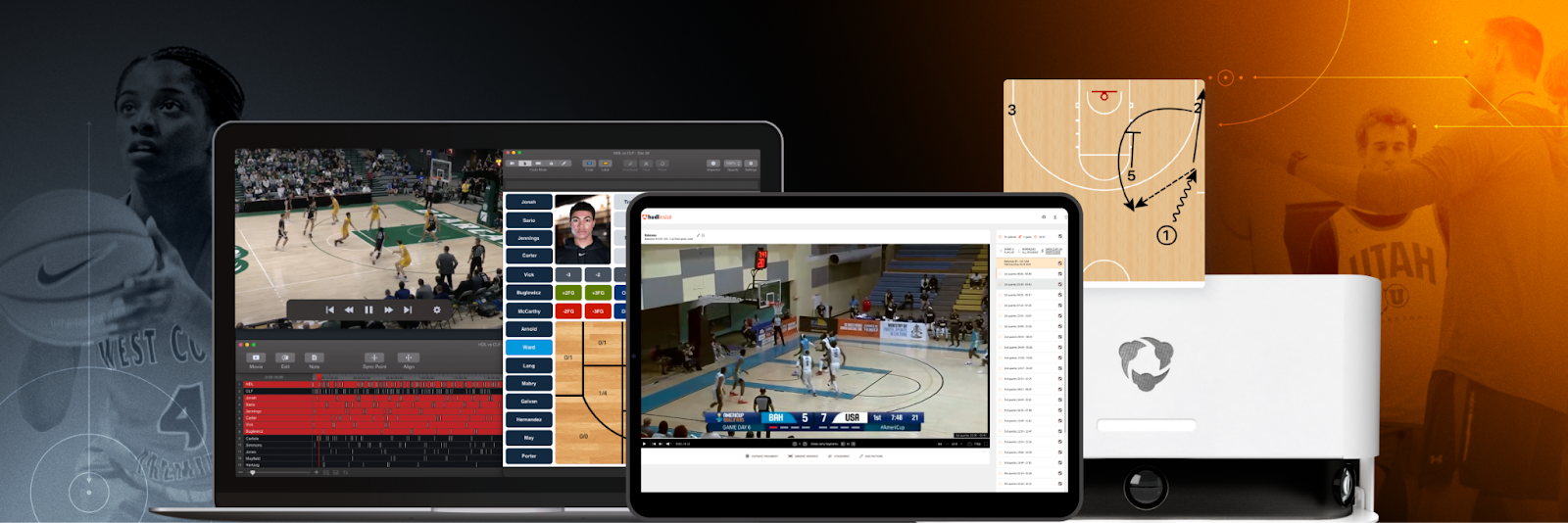
Hudl Powers Every PossessionIf you’re already using tools like FastDraw, FastScout, or FastRecruit—you know how essential they are to your workflows. And now that they’re fully part of the Hudl ecosystem, they’re more powerful than ever. From film and play diagrams to scouting reports and custom recruiting boards, everything flows together. One system. Built for high-performance programs. Learn more about Hudl and their variety of products or subscribers to Slappin' Glass can also directly email Winston Jones of Hudl at winston.jones@hudl.com. Tactical📺 Horns Entry - Pistol • Veer RIP Screen "A clever wrinkle of adding a RIP screen following the PG's burn cut in this movement based turnout action." ✚ Pair With: Another deceptive Horns set to free the 5-man at the rim coming off a RIP screen. 🔒 SG Plus Content: Our "Film Room" session with St. Louis HC Josh Schertz on Pistol screening. 📺 Iverson Entry - PG Clear • Zoom • Veer "Another movement based set out of the Iverson entry to isolate a shooter coming off the pin down screen." ✚ Pair With: Off the Iverson Keep, the 4-man sprints in a pin down to come off the twirl screen of the guard. 🔒 SG Plus Content: Our breakdown on defending off ball screens with stunts off the passer. Interesting Reads📚 The Luckier You Are The Nicer You Should Be The more successful you are, the nicer you should be. The better things are going, the nicer you should be. That’s probably the best – or only – way to guard against entitlement, which is the main thing that blindsides you when luck turns the other way. 📚The Virtue of Negative Results The chief innovation that science brought to the state of defeat is a way to manage mishaps. Blunders are kept small, manageable, constant, and trackable. Flops are not quite deliberate, but they are channeled so that something is learned each time things fell. It becomes a matter of failing forward. 📚 NBA Vibe Checks: Five Teams That Are Making Us Rethink Everything (Already) The first few weeks of the NBA season aren’t about wins and losses; they’re about vibes. Here’s an early energy report on the league’s weirdest starts. Quote of the Week
“People are too complicated to have simple labels.” -Philip Pullman
Thank you for reading and have a great week coaching, Dan, Pat, and Eric info@slappinglass.com |
Slappin' Glass
Exploring basketball's best ideas, strategies, and coaches from around the world.
Exploring basketball's best ideas, strategies, and coaches around the world Happy Sunday! Welcome to all the newest subscribers from around the world! ICYMI: Last week, we broke down how to force a late switch against Drop Coverage by having the screener race out of the screen, beat the on ball defender to the recovery point, and pivot into a seal. Read the newsletter HERE. This Week at a Glance: 🔒 SG Plus Content: Coaches Roundtable - The Ready Up 🧪 The Practice Lab: What Are You Working On?...
Exploring basketball's best ideas, strategies, and coaches around the world Happy Sunday! Welcome to all the newest subscribers from around the world! ICYMI: Last week, we explored Baldur Ragnarsson’s contact drills and Drew Dunlop’s variable movement Ready Ups in the Practice Lab, looking at how to prepare players to stay balanced, adapt through contact, and find solutions from unfamiliar positions. Read the newsletter HERE. This Week at a Glance: 🔒 SG Plus Content: Forcing the Late Switch -...
Exploring basketball's best ideas, strategies, and coaches around the world Happy Sunday! Welcome to all the newest subscribers from around the world! ICYMI: Last week, we released our third quarter SG Intelligence Report, looking at the concepts coaches kept coming back to across SG, from Hedge & Plug and late-game defense to randomized offense and ICE solutions, and what those repeat views might tell us about the problems coaches are trying to solve right now. Read the report HERE. This...